Baby Stages & Feeding
What age are Petite Meal Co meals suitable from?
Our range is designed to grow with your baby from around 6 months and starting solids, through finger foods and into toddlerhood.
Each product is clearly labelled with its recommended stage so you can choose meals that suit where your baby is developmentally.
How do I know my baby is ready for solids?
Most babies are ready to start solids at around 6 months, but readiness signs matter more than reaching a particular date.
Look for your baby being able to sit upright with good head and neck control, showing interest in food and reaching for or bringing things to their mouth.
Starting solids should happen when your baby is developmentally ready, rather than simply because they have reached a certain age.
How do I serve your finger foods?
Our finger foods are designed to be soft enough for little mouths, while holding together well enough for little hands to pick up.
Once heated, check the temperature and texture before serving. You should be able to squash the food easily between your fingers.
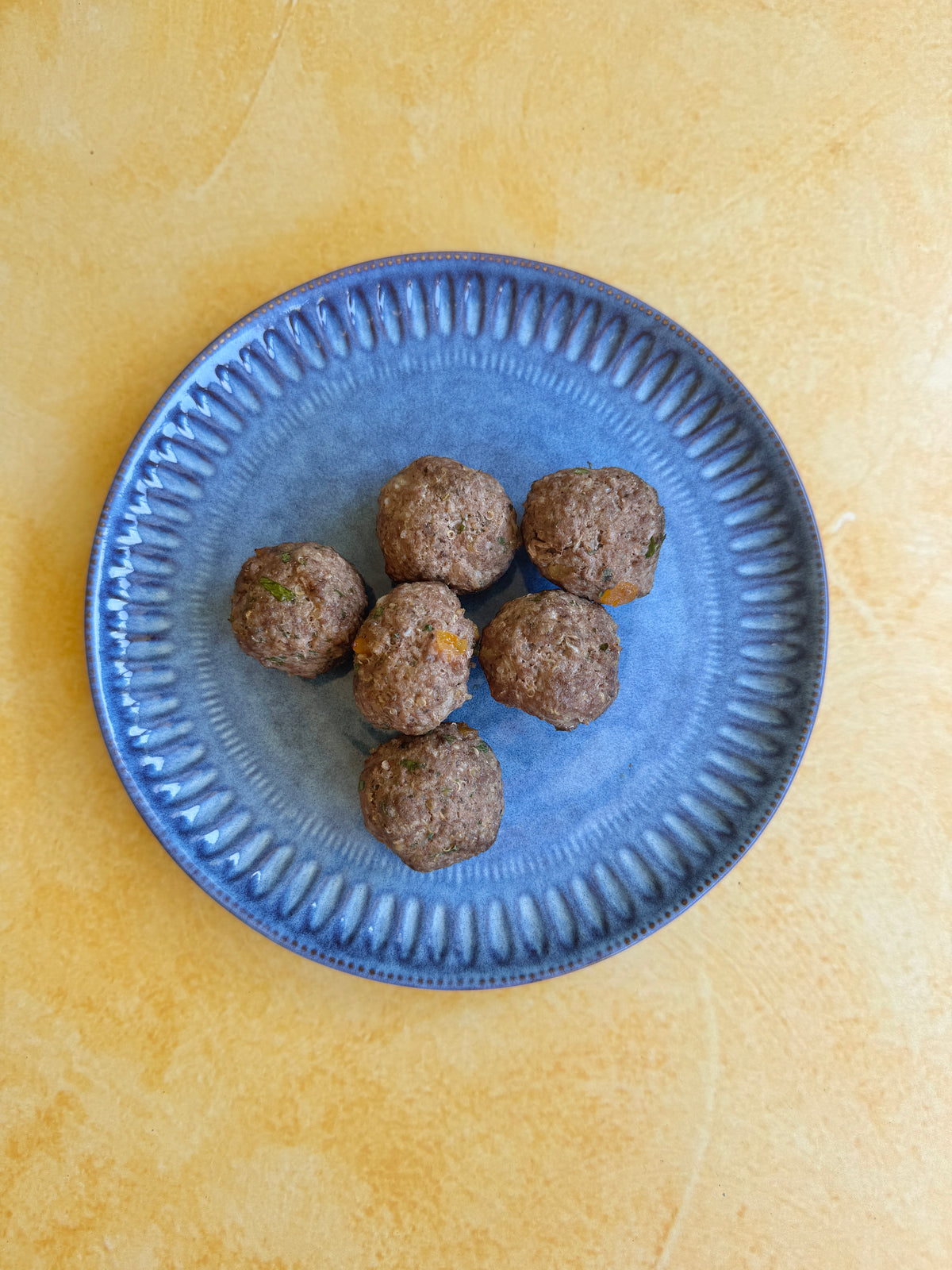
For our meatballs, we’ve included ingredients such as quinoa to help keep them soft rather than becoming dry and difficult to manage.
As your baby’s skills develop, you can change how you serve them to suit their stage.
My baby doesn’t have teeth yet. Can they still eat finger foods?
Babies don’t necessarily need teeth to begin appropriate finger foods.
Their gums are surprisingly capable of managing suitably soft foods.
The important part is offering foods with an appropriate texture and shape for their developmental stage.
Our finger foods are deliberately made soft enough to squash easily between your fingers before serving.
Do I have to choose between purées and baby-led weaning?
No. It doesn’t have to be one or the other.
Babies can experience spoon-fed foods alongside appropriately prepared finger foods, giving them opportunities to experience different textures, flavours and ways of eating.
Our range is designed to make it easy to offer both.
What if my baby is at a different feeding stage to the age shown?
The ages we provide are a guide, not a deadline.
Babies develop feeding skills at different rates, so consider how your baby is managing textures and self-feeding alongside their age.
If you’re unsure which Petite Meal Co products are right for your baby, get in touch and we’ll help you choose.
What if my baby doesn’t like a meal?
Babies don’t always love a new food the first time they try it. New flavours and textures can take repeated exposure before they become familiar.
If something isn’t a hit today, don’t write it off. Try offering it again another day, serve a smaller amount alongside something familiar, or change how you serve it.
Learning to eat is exactly that — learning.
Nutrition & Ingredients
Are frozen baby meals nutritious?
Absolutely. Freezing is actually one of the reasons we can make Petite Meal Co the way we do.
Our meals are cooked and frozen without needing to rely on the processing required to make food shelf-stable.
It means we can use real meat, fish, vegetables, legumes, healthy fats, herbs and spices and keep them frozen until you need them.
Frozen isn’t the nutritional compromise. It’s what allows us not to make one.
What makes Petite Meal Co different from other baby food?
We don’t start with, “What baby food should we make?”
We start with, “What does a growing baby actually need?”
Iron. Healthy fats. Protein. Variety. Different flavours. Progressing textures.
Then we build the food around that.
Petite Meal Co was founded by a paediatric nutritionist, and every recipe is scrutinised with your baby’s nutrition in mind.
Nutrition you don’t have to second guess.
Why do your meals contain more meat than many baby foods?
Because we’re not adding meat just so we can put it on the front of the packet.
Babies have high iron requirements, particularly in the second half of their first year, so when we create a meat-based meal, we want the meat to make a meaningful nutritional contribution.
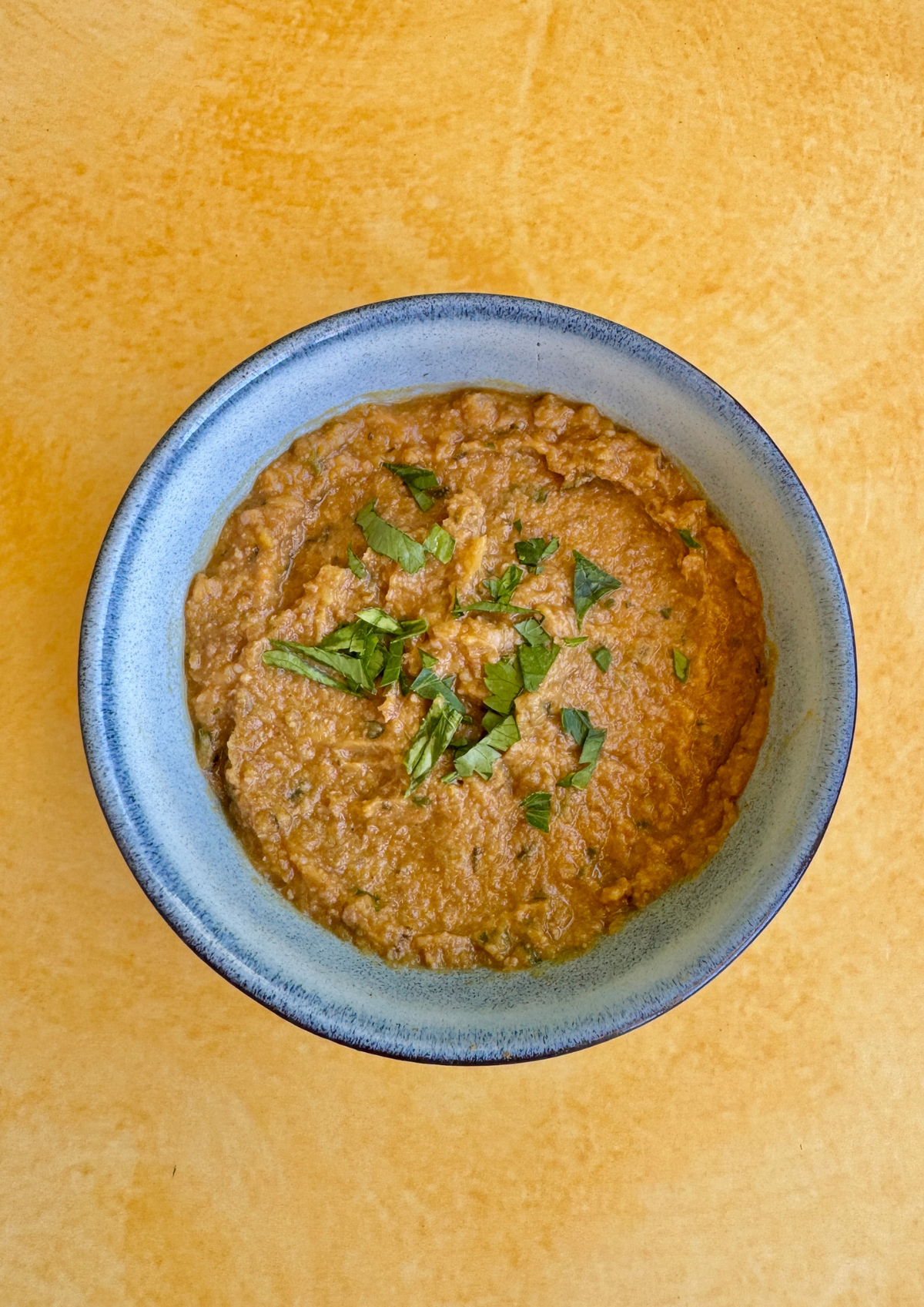
That’s why you’ll see ingredient percentages like 63% lamb in our Moroccan Lamb Meatballs and 24% lamb in our Chickpea, Pumpkin & Lamb Purée.
We don’t believe a token amount of meat makes an iron-rich meal.
How much iron does my baby need?
From around 7–12 months, babies have particularly high iron requirements relative to their size, which is why offering iron-rich foods regularly becomes so important once solids begin.
Rather than simply saying our meals “contain iron”, we want you to be able to see where it is coming from and how much our meals provide.
You’ll find iron information on our individual product pages wherever available.
Where are your ingredients sourced?
Petite Meal Co meals are made in Australia using locally sourced ingredients, with organic ingredients chosen where possible.
We prioritise quality ingredients from Australian suppliers and producers, from the meat and fish to the vegetables, grains and other ingredients that go into our meals.
Real ingredients, thoughtfully sourced, made here in Australia.
Are there any preservatives, additives or fillers in your meals?
No. Because our meals are frozen, we don’t need to formulate them to sit on a shelf for months or years.
We use real food ingredients you recognise: meat, fish, vegetables, legumes, grains, healthy fats, herbs and spices.
Nothing added just to extend shelf life.
Do you incorporate allergens into Petite Meal Co meals?
Yes. You’ll find common allergens including egg, dairy, wheat, soy, fish and shellfish across our range.
Current Australian guidance recommends introducing common allergenic foods during the first year of life, when your baby is developmentally ready for solids, and continuing to include them regularly once introduced.
Every Petite Meal Co product clearly lists its ingredients and allergens.
If you’re introducing an allergen for the first time, introduce it separately so you know what your baby has eaten, then our meals can make ongoing exposure easier.
Always check the individual product label before serving, particularly if your child has a diagnosed food allergy.
Who creates the Petite Meal Co recipes?
Petite Meal Co was founded by paediatric nutritionist Abby, who creates and scrutinises the meals through a nutrition and feeding lens.
We think about the questions you’re probably already asking yourself: Where is the iron coming from? Is there enough fat? What is this ingredient contributing? How will my baby manage this texture?
We’ve already thought about it, so you don’t have to every time you open the freezer.
Servings & How it works
How much is a serving size for my baby?
Our purées come in 100g portions, equal to 3 cubes. But that’s a guide, not a rule.
When your baby first starts solids, they may only eat 1 cube. By 7–8 months, many babies move towards 2 cubes, and by 9–10 months they may comfortably eat 3 cubes or more.
Some days they’ll polish it off. Other days, barely touch it. That’s completely normal. Follow your baby’s appetite and cues rather than worrying about finishing a set portion.
How long will a Core Nutrition Box last?
For a 9-month-old eating around 3 purée cubes per serve, the Core Nutrition Box provides approximately 24 purée meal serves.
That’s enough for one Petite Meal Co meal a day for over 3 weeks.
Younger babies eating smaller portions may get considerably more serves from their box.
Exactly how long your box lasts will depend on your baby’s age, appetite and how often you use Petite Meal Co alongside your own food.
Can I serve Petite Meal Co alongside the food we eat as a family?
Absolutely.
Petite Meal Co doesn’t need to replace every meal your baby eats.
Use it for the nights you don’t have time to cook, alongside family meals, as an easy way to offer an iron-rich option, or simply to keep reliable meals in the freezer.
It’s there to make feeding easier, not give you another set of rules to follow.
Do I need to cook anything?
No. That’s the point.
Your Petite Meal Co meals arrive already prepared and frozen.
Simply take out what you need, heat according to the instructions, check the temperature and serve.
We’ve done the thinking. And the cooking.
Preparing & Storing
How do I heat the meals?
Heating instructions vary by product, so you’ll find the exact instructions on each pack.
Always stir well after heating and check the temperature before serving, particularly when microwaving, as hot spots can occur.
How should I store the meals?
Keep your Petite Meal Co meals frozen until you’re ready to use them.
If thawing in the fridge, keep refrigerated and use within 24–48 hours. Once thawed, do not refreeze.
Any thawed food that hasn’t been used within this timeframe should be discarded.
Once food has been served to your baby or eaten from, discard any leftovers rather than refrigerating and reheating them.
How long do Petite Meal Co meals last in the freezer?
Each Petite Meal Co product has a best-before date clearly marked on the packaging.
Keep your meals stored frozen at -18°C or below until you’re ready to use them.
Once thawed, follow the storage and heating instructions on the individual product.
Why might my meal look slightly different from the last one?
We cook with real ingredients, and real food isn’t completely identical from batch to batch.
The colour, texture or flavour of vegetables and other ingredients can naturally vary with season and supply.
We work to keep every recipe consistent, but you may occasionally notice small differences between batches.
Delivery & Orders
How are my meals delivered?
Your meals are delivered frozen to your door using a specialist frozen-food courier.
You’ll receive a text from the courier on delivery day, including an update when your driver is approximately an hour away.
Because we use a specialist frozen delivery service, tracking information may not appear through the Shop app.
Delivery days and availability depend on your postcode.
What if there is a problem with my delivery?
If your meals arrive damaged, thawed or you have any concerns about their condition, please don’t serve them.
Take a photo and contact us at hello@petitemealco.com as soon as possible so we can help.

Made in Australia

Transparent Nutrition